
Effective Proximity Sensor Test Guarantees Dependable System Response Every time
Effective proximity sensor testing plays a vital role in ensuring consistent and reliable system behavior in a wide range of automation and control environments. These sensors are designed to detect objects without physical contact, making their accuracy and responsiveness essential for smooth operations. A well-structured testing process helps confirm that sensors respond correctly under different conditions, reducing unexpected interruptions and improving overall system stability. Regular evaluation ensures that performance remains consistent, even in demanding operational settings.
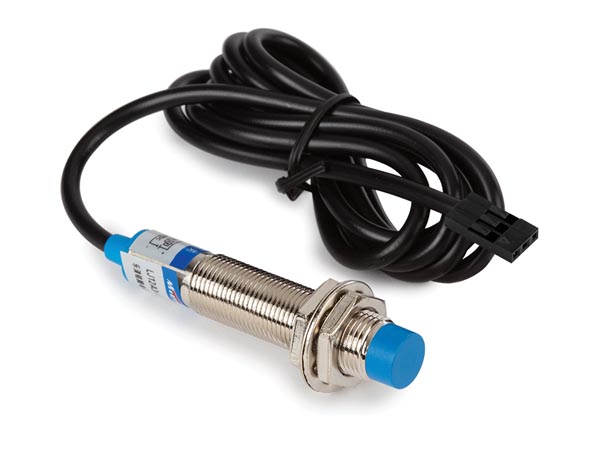
Importance of Proximity Sensor Testing
Proximity sensor testing is essential for maintaining precise detection and ensuring that systems operate efficiently without errors. When sensors are properly evaluated, they provide dependable signals that support automation processes and decision-making systems. This reduces the chances of misreads, delays, or system faults. Consistent testing also helps identify performance variations early, allowing adjustments that enhance long-term reliability.
Structured Testing Approach for Better Results
A structured testing approach ensures that every aspect of proximity sensor performance is thoroughly evaluated. This includes checking detection range, response time, environmental resistance, and signal accuracy. By following a consistent method, testing becomes more reliable and repeatable, leading to stronger system confidence and reduced operational risks.
Key Benefits of Effective Testing
- Ensures consistent sensor response across varying environmental and operational conditions
- Improves detection accuracy and reduces false triggering in automated systems
- Enhances system reliability through early identification of performance deviations
- Supports smooth automation workflows with minimal interruptions or downtime
- Strengthens operational efficiency by maintaining stable sensor output
- Reduces maintenance efforts through proactive performance validation
- Improves safety in automated environments by ensuring accurate detection
- Enhances overall system performance and operational consistency
- Provides dependable feedback signals for seamless control operations
Best Practices for Reliable Sensor Testing
Following best practices in proximity sensor testing helps achieve consistent and dependable results. It ensures that sensors are evaluated under realistic conditions and that their performance aligns with system expectations. Proper planning and structured execution contribute significantly to long-term operational success. Learning labs demonstrate proximity sensor test techniques to help trainees understand detection accuracy and sensor calibration processes effectively.
- Conduct regular testing cycles to maintain consistent sensor accuracy
- Evaluate sensors under different environmental and load conditions
- Ensure proper alignment and positioning for optimal detection performance
- Use standardized testing methods for consistent evaluation outcomes
- Monitor response time and detection range carefully during testing
- Verify system behavior under varying operational conditions
- Document performance results for continuous improvement opportunities
- Focus on minimizing errors through thorough validation processes
Conclusion
Effective proximity sensor testing is a critical process that ensures dependable and stable system performance across various applications. By adopting structured methods and focusing on accuracy, organizations can achieve highly reliable sensor behavior. Consistent evaluation strengthens system confidence and supports smooth automation processes without disruptions.
- Supports long-term system stability and operational consistency
- Enhances automation reliability through precise sensor validation
- Ensures smooth and efficient system performance every time
- Promotes safer operations through accurate and responsive detection systems
This ultimately contributes to more dependable and efficient system operations overall.