
Battle Belt IFAK Setup Ideas for Better Emergency Preparedness
A well-organized battle belt IFAK setup can improve response speed, comfort, and overall readiness during demanding situations. Careful placement of medical gear allows quick access while maintaining balance and mobility. A practical setup also reduces clutter and supports confident movement during outdoor activities, training sessions, and emergency response scenarios.
Focus On Fast Accessibility
Easy access should always be a priority when arranging an IFAK on a battle belt. Every second matters during an emergency, so equipment placement needs to support fast retrieval.
Helpful setup ideas include:
- Position the IFAK near the rear side of the belt for balanced access
- Use pull tabs or quick-open designs for rapid deployment
- Keep critical medical items in outer compartments
- Avoid overloading the pouch with unnecessary tools
- Practice reaching the kit with both hands
A streamlined layout improves reaction time and minimizes confusion during stressful moments.
Prioritize Comfort and Mobility
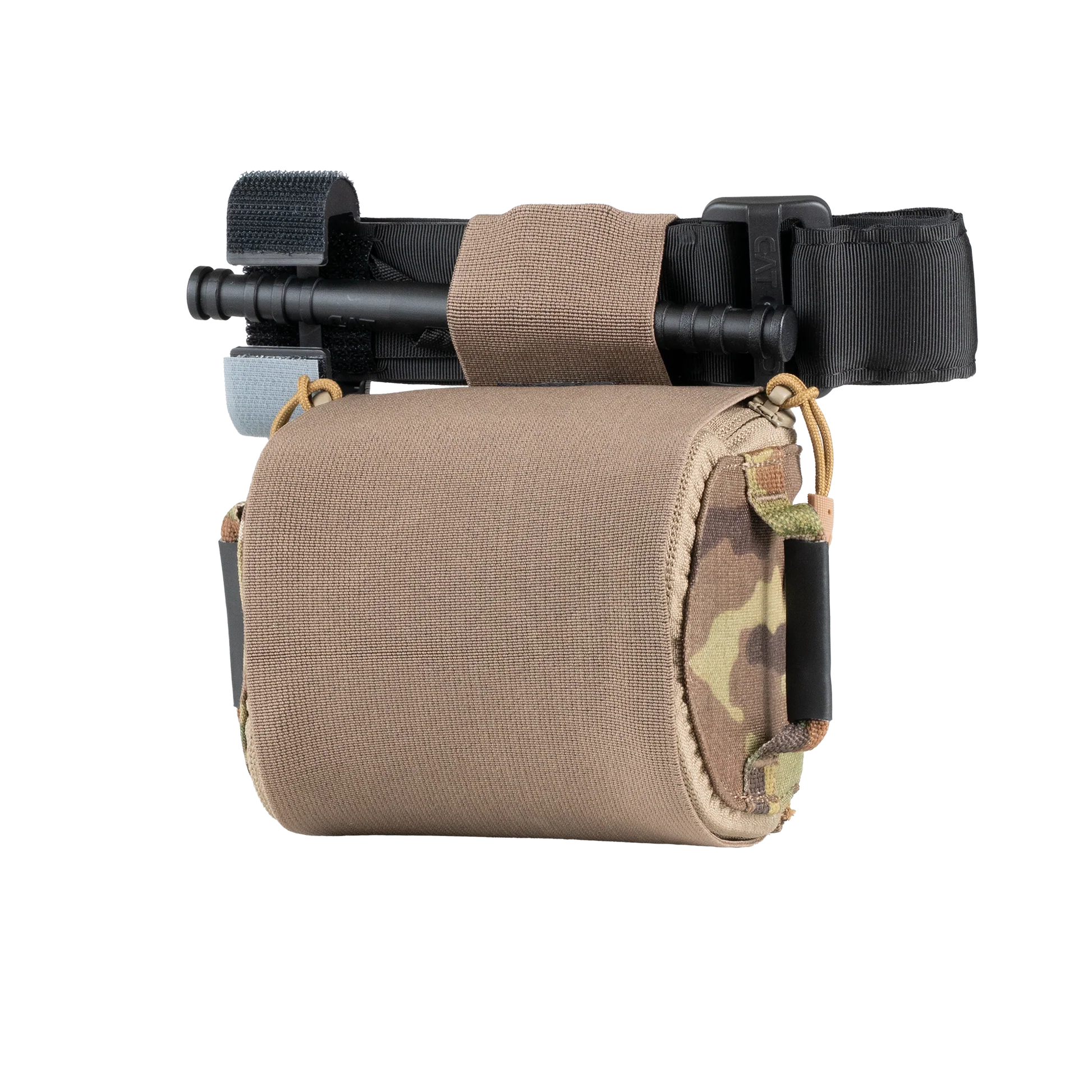
Comfort plays a major role in maintaining readiness over long periods. A poorly balanced belt may create fatigue and limit movement.
Smart ways to improve comfort:
- Spread weight evenly across the belt
- Use lightweight pouches whenever possible
- Keep bulky items away from the front waist area
- Adjust belt tension for secure but flexible movement
- Leave enough open space for bending and sitting comfortably
A balanced setup supports better endurance and allows smoother movement in active environments.
Organize Medical Supplies by Importance
Organizing supplies by urgency helps users respond best ifak for battle belt more efficiently during emergencies. Frequently used items should remain easy to locate.
Suggested organization methods:
- Place trauma supplies in the most accessible section
- Separate bandages from tools using internal dividers
- Store gloves in an outer pocket for quick reach
- Use labeled compartments for better visibility
- Keep sharp tools protected inside secure sleeves
A clean layout prevents wasted time and helps maintain focus under pressure.
Include Essential Emergency Items
An effective battle belt IFAK should contain practical supplies that support immediate care. The goal is to create a compact yet capable medical setup.
Commonly included essentials:
- Compression bandages
- Protective gloves
- Trauma shears
- Medical tape
- Gauze rolls
- Chest seals
- Antiseptic wipes
- Tourniquet holders
- Emergency blankets
Choosing reliable essentials helps maintain preparedness without creating excessive bulk.
Improve Retention and Security
Medical gear should remain stable during movement. Loose or shifting equipment can slow access and create distractions.
Useful retention strategies:
- Use secure mounting systems for pouches
- Tighten straps to reduce movement
- Test the setup while walking, kneeling, and running
- Check attachment points regularly
- Replace worn fasteners when necessary
A secure setup keeps equipment dependable during physically demanding activities.
Train with the Setup Regularly
Even the best gear arrangement becomes less effective without practice. Familiarity improves confidence and helps users react naturally during emergencies.
Effective training habits include:
- Conduct quick-access drills
- Repack the IFAK after every practice session
- Test access while wearing gloves
- Practice in low-light conditions
- Review item placement often
Regular practice builds muscle memory and improves overall preparedness.
A thoughtfully arranged battle belt IFAK setup can enhance emergency readiness, improve efficiency, and support comfortable movement. Prioritizing accessibility, organization, comfort, and consistent training creates a dependable system that performs well during critical situations. Small improvements in layout and gear placement can make a major difference when quick action is needed most.